Sustainable architecture seeks to design and construct buildings capable of providing comfort, durability, and quality of life while using as few resources and as little energy as possible.
But building sustainably isn’t just about installing solar panels or choosing eco-friendly materials. Sustainability begins much earlier: in how the building is situated, understanding the climate, selecting materials, and deciding how it will interact with its surroundings throughout its entire lifespan.
Design Before Consumption
One of the keys to sustainable architecture is reducing a building’s needs right from the design phase.
Orientation, sun protection, cross-ventilation, courtyards, vegetation, and the thermal mass of the walls can all help maintain a comfortable temperature naturally.
A well-designed home requires less heating and cooling and, therefore, consumes less energy for decades.
That is why, before incorporating technology, it is important to ensure that the architecture itself works in harmony with the climate.
Natural, Local, and Durable Materials
How and with what we build also matters.
Using natural and locally sourced materials helps reduce the impact associated with transportation and, at the same time, keeps local knowledge, industries, and trades alive.
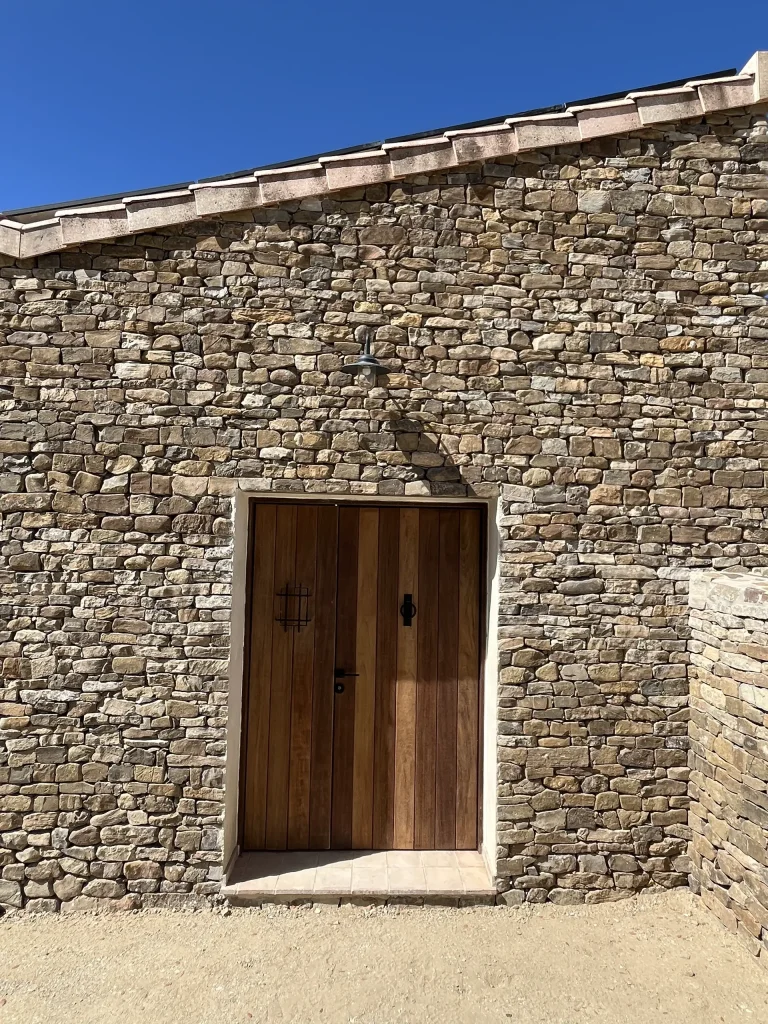
Materials such as earth, lime, cork, wood, and fired clay have been part of our architecture for centuries. When used properly and combined with current technical knowledge, they can offer excellent thermal, environmental, and structural performance.
At our Casa Cueva in Granada, for example, we use materials and techniques deeply rooted in Andalusia: compacted earth, chestnut wood, natural plaster, air lime, fired clay, and cork from the cork oak.
Making the Most of Local Resources
Sustainable architecture also seeks to make the most of what each site has to offer.
On the coast, this might be the sea breezes. On a lot with a cave, it could be the stable temperature of the ground. In other homes, it might be solar orientation, shade, or natural ventilation.
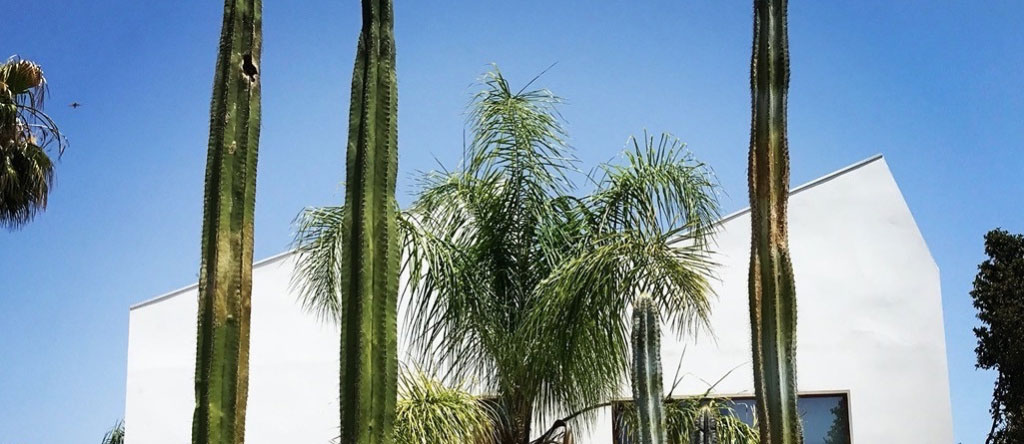
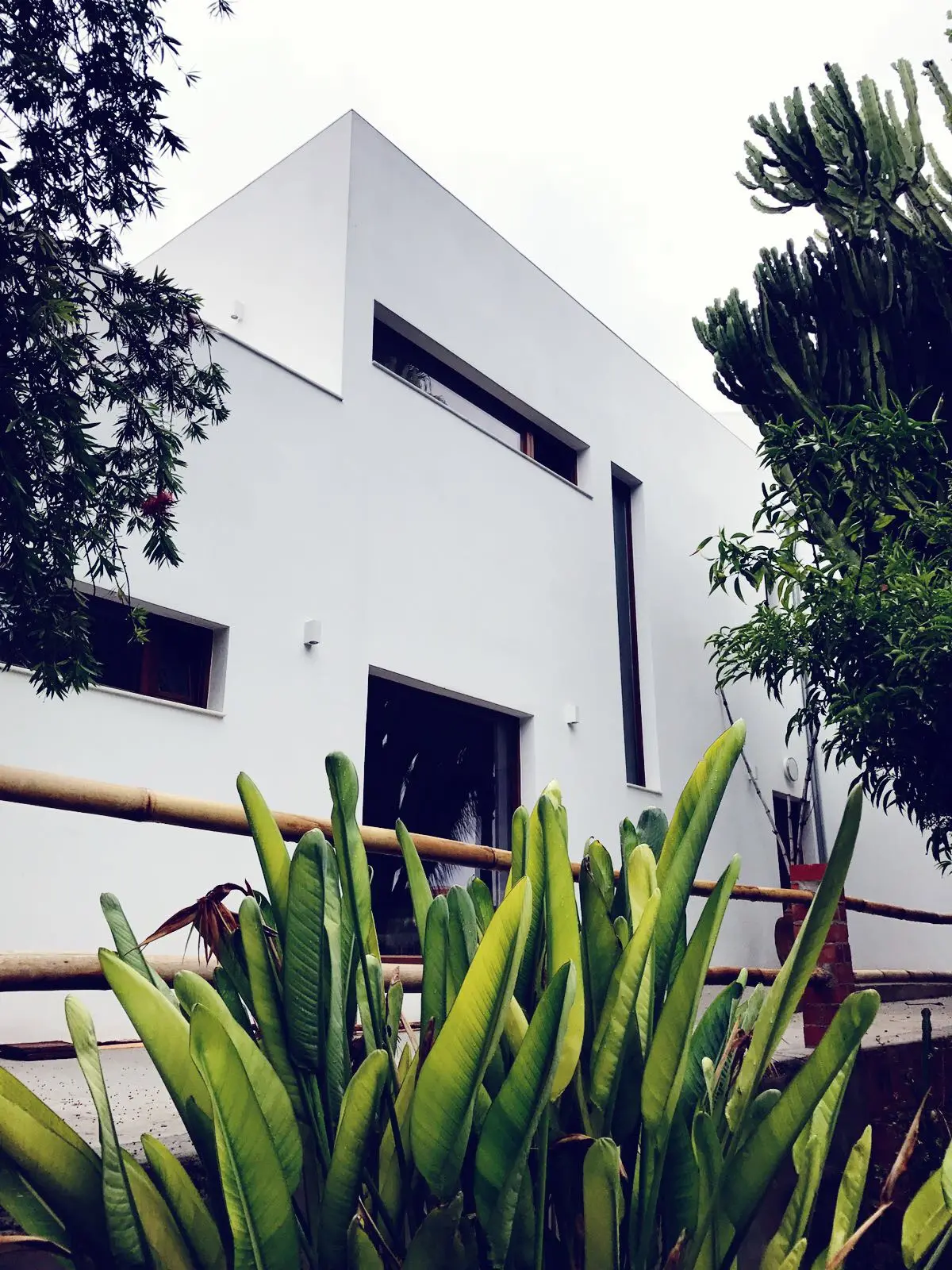
Our Bioclimatic House in La Cala del Moral, for example, features an interior courtyard, walls with high thermal inertia, and an experimental system that uses the basement-cellar as a natural climate control system.
There are, therefore, no universal solutions. Each location calls for a different approach to architecture.
Energy, Water, and Resources
A sustainable home must reduce its energy demand and make responsible use of available resources.
Renewable energy can meet part of a building’s needs, while water recovery, storage, or recycling systems help reduce consumption.
But the goal should not be to compensate for a building that consumes too much with additional systems, but rather to design it from the outset to require less.
Building to Last
Sustainability is also about time.
A durable building that is easy to maintain and constructed with materials that age well will have a much smaller environmental impact than one that requires constant replacements or renovations.
That is why we view sustainable architecture as a combination of bioclimatic design, energy efficiency, healthy materials, local resources, and durable construction techniques.
In many cases, moving toward more sustainable architecture does not mean inventing a new way of building, but rather learning from traditional architectural traditions that already knew how to take advantage of the climate, materials, and resources of each region.